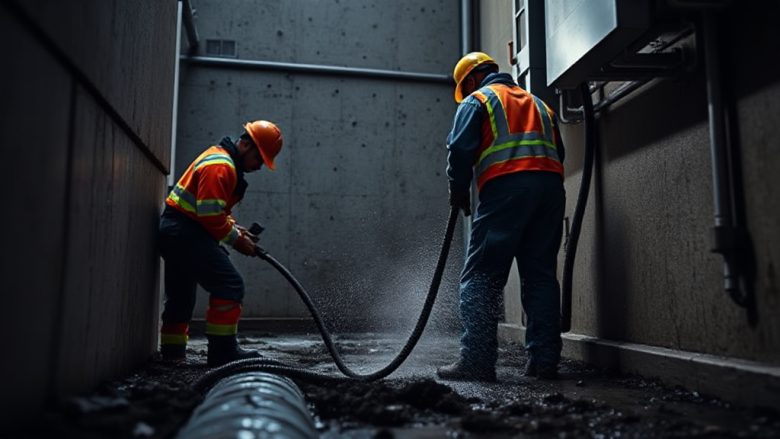
Who Are You Letting In? Vetting Drain Services in Praia Grande
Someone is at your building’s door with a machine, a hose, and a confident claim that they can fix the blockage. You are right to hesitate. A drain technician gets access to the pipes, the utility areas, and sometimes private units, so a few minutes of checking before you open the gate is not paranoia. It is basic due diligence. This article gives you a practical verification checklist so you can hire a desentupidora Praia Grande service with confidence rather than guesswork.
Why Drain Service Verification Matters More Than Ever
Drain and sewer work is one of those trades where the customer cannot easily judge the quality of the job. The pipes are hidden, the equipment is specialized, and the problem often appears at night or on a weekend when you are least prepared. That combination attracts both excellent professionals and opportunistic operators.
In a coastal city like Praia Grande, the stakes are higher. Salt air, older pipe sections, and heavy seasonal occupancy put stress on building drainage, and a botched repair can mean repeated flooding, structural damage, or a dispute with neighbors. The person you let in should be someone you can trace, call back, and hold accountable. Verification is not a sign of distrust; it is a sign of a well-run building.
Trust Signals to Check Before You Open the Gate
You do not need a forensic investigation. A short, structured check covers most of the risk and takes less time than a phone call to a neighbor. Work through these signals in order.
1. A Real Company Identity and Address
Ask for the company’s legal name and where it is based. A legitimate provider can give you a business address and a landline or a stable contact channel. If the only information is a mobile number and a first name, you have no way to follow up if something goes wrong. Write down the name and check that it matches the invoice or service order later.
This is also where you confirm the service area. A team that genuinely operates in your region can explain how quickly they can arrive and what equipment they bring. If you are comparing options, the page for desentupidora Praia Grande SP is a useful reference for what a local, traceable provider looks like.
2. Clear Identification of the Technician
When the technician arrives, they should be able to state the company they work for and show identification or a uniform that matches. This is not about being unfriendly. It is about making sure the person at your gate is the person the company sent, not someone who overheard a request and showed up first.
For condominiums, the doorman or building manager should log the name, company, arrival time, and the unit or area being serviced. That simple record protects everyone if a problem appears later.
3. A Written Quote and Scope Before Work Starts
A professional will inspect the problem and explain what they propose to do before starting. You should hear the method, the expected duration, and the price in plain terms. Be cautious of anyone who quotes a very low number on the phone and then raises it after opening the pipe.
Ask what happens if the blockage is deeper than expected. A fair provider explains the conditions that could change the price. A written scope protects you from surprise charges and from work that was never authorized.
4. The Right Equipment for the Job
Different blockages need different tools. A simple kitchen or bathroom line may be cleared with a manual snake, while a main sewer line may require a motorized auger or high-pressure hydrojetting. If the technician arrives with only one small tool and claims it will solve every problem, ask questions.
The equipment should also be appropriate for a residential or commercial building. Hydrojetting, for example, uses pressurized water to scour pipe walls and is effective for grease and sediment, but it must be applied by someone who knows the pipe material and condition. A technician who cannot explain why they chose a method is a technician you should not hire.
5. Safety Practices and Cleanup Standards
Sewer and drain work involves waste, bacteria, and sometimes gas. A serious provider takes precautions: gloves, protective clothing, containment of debris, and a plan for cleaning the area afterward. Ask how they will protect floors, walls, and shared spaces.
In a condominium, this matters for the next resident as much as for you. A team that leaves a mess or fails to ventilate a work area is telling you something about how they handle the invisible parts of the job too.
6. A Receipt, Warranty, and Follow-Up Path
Before the technician leaves, confirm that you will receive a receipt or service order that identifies the company, the service performed, and the amount paid. Ask about any warranty on the work and how to request a return visit if the same blockage reappears.
A provider that stands behind its work will not hesitate to explain this. If the answer is vague, treat it as a warning. For a local team that operates with this kind of accountability, the service page for desentupidora em Praia Grande SP shows how a professional operation presents its scope and contact channels.
Red Flags That Should Stop You at the Door
Some warning signs are obvious; others are subtle. Watch for these behaviors and be prepared to say no.
- No company name or address, only a mobile number and a promise of a low price.
- Pressure to start immediately without inspecting the problem or explaining the method.
- Cash-only payment with no receipt or refusal to provide a service order.
- Unwillingness to identify the technician or to be logged by the building staff.
- Price that changes after the work begins without a clear, agreed reason.
- No answer about warranty or how to request a return visit.
None of these alone proves bad intent, but together they describe an operator who is hard to trace and hard to hold accountable. In a shared building, that risk is not yours alone.
Frequently Asked Questions
How can I check a drain service company before hiring?
Ask for the legal company name, a business address, and a stable contact channel. Confirm the technician’s identity on arrival, request a written quote before work starts, and make sure you will receive a receipt and warranty information. A legitimate provider will answer these questions without hesitation.
Should a condominium require a service order for every drain visit?
Yes. A service order or log entry protects the building and the resident. It records who entered, what was done, and when. It also makes it easier to follow up if the same problem returns or if damage is discovered later.
What is the difference between snaking and hydrojetting?
Snaking uses a mechanical auger to break through or pull out a blockage. Hydrojetting uses high-pressure water to scour the inside of the pipe and remove grease, sediment, and buildup. The right choice depends on the pipe material, the type of blockage, and the condition of the line, which is why a proper inspection comes first.
What should I do if the technician cannot explain the method?
Do not authorize the work. Ask for a supervisor or a written explanation. If the company cannot provide a clear, reasonable answer, choose another provider. A technician who understands the job can explain it in plain language.