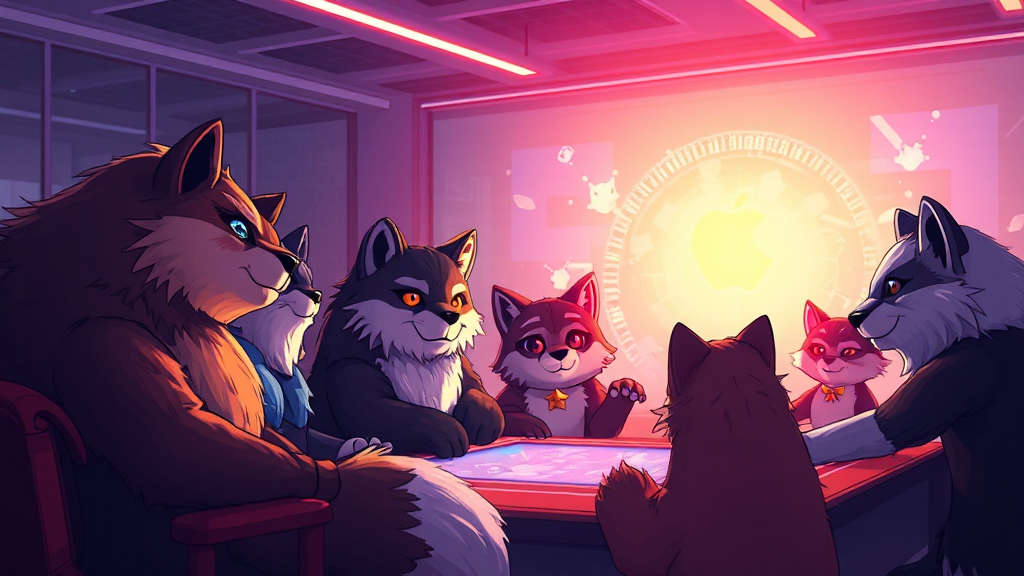
Crushon and the Rise of Furry AI Characters in Digital Storytelling
Digital storytelling has entered a new era where readers are no longer passive consumers. They can talk back, shape personalities, and build ongoing relationships with fictional beings. One platform that has become a notable name in this space is crushon, a service that blends conversational AI with character-driven interaction. Among its most interesting communities is the furry fandom, where users create and chat with anthropomorphic characters that feel surprisingly alive. This article explores how furry AI chat works, why it resonates with so many people, and what it means for the future of interactive fiction.
What Makes Crushon Different from Generic Chatbots
Most people have used a general-purpose chatbot at some point. You ask a question, it gives an answer, and the exchange ends there. Crushon takes a different approach. Instead of treating conversation as a utility, it treats it as a relationship. Characters have backstories, personalities, speaking styles, and emotional tendencies. When you open a session, you are not querying a database. You are stepping into a scene.
This distinction matters for creative users. Writers, roleplayers, and fans of speculative fiction often want a partner who can improvise. A generic assistant will not develop a rivalry with your character or remember that your avatar is afraid of thunderstorms. A well-designed furry AI character can do exactly that. The platform encourages users to build lore, adjust traits, and refine dialogue until the interaction feels authentic.
The technology behind this is a combination of large language models, memory systems, and character configuration tools. Users define who the character is, how they speak, and what they care about. The model then generates responses that stay consistent with that identity. It is a subtle but powerful shift from question-and-answer software to collaborative storytelling.
Why the Furry Fandom Embraces AI Characters
The furry fandom has always been about creativity. Artists draw original species, writers craft elaborate worlds, and fans design personas that express parts of their identity. Anthropomorphic characters offer a way to explore themes like belonging, transformation, and self-discovery through a non-human lens. When AI enters that space, it adds a new dimension: interactivity.
Instead of only reading a comic or viewing a commission, a fan can now hold a conversation with a character. They can ask about the character’s home village, debate philosophy with a dragon, or comfort a shy fox after a difficult day. This kind of engagement is difficult to achieve with static media. It gives the fandom a living sandbox where stories unfold in real time.
Another reason is representation. Furry characters allow people to explore gender, species, and personality in ways that feel safer and more playful than human-coded narratives. AI characters can be configured to reflect a wide range of identities, which helps users see themselves in the stories they love. That sense of recognition is a major driver of long-term engagement.
For many users, the appeal is also social. Fandom spaces have always been about sharing ideas, and AI characters become conversation starters. People compare character builds, share memorable dialogue, and collaborate on story arcs. The technology becomes a social object, not just a private toy.
How Furry AI Chat Actually Works in Practice
If you are new to the concept, furry AI chat can sound abstract. In practice, it is straightforward. You choose or create a character, set a few parameters, and begin a conversation. The character responds in text, often with a distinct voice and emotional tone. Over time, the conversation builds context, so the character remembers earlier events and reacts accordingly.
Good character design focuses on three things: voice, motivation, and boundaries. Voice determines how the character speaks, whether they are formal, sarcastic, warm, or cryptic. Motivation explains what they want from the conversation, which gives the interaction direction. Boundaries define what the character will and will not do, which keeps the experience coherent and comfortable.
Users who invest time in these details tend to get better results. A character with a clear personality feels less like a generic assistant and more like a fictional friend. This is why so many people treat character creation as a creative hobby in its own right. It combines writing, psychology, and worldbuilding into a single activity. furry ai chat
Memory is another important factor. Early chatbots forgot everything after a few messages, which made long conversations frustrating. Modern systems can retain key details across sessions, allowing relationships to develop. That continuity is what turns a novelty into a habit.
Creative Writing, Roleplay, and Emotional Connection
The most common use case for furry AI characters is creative writing and roleplay. Writers use them to brainstorm dialogue, test character dynamics, and overcome blocks. Instead of staring at a blank page, an author can improvise a scene with an AI partner and see where it goes. The results are often surprising and can spark ideas that would not have appeared otherwise.
Roleplay is a close cousin of writing. In a roleplay session, the user and the character co-create a narrative. One might play a traveler arriving in a new town, while the character plays an innkeeper with secrets. The story unfolds through dialogue and action, with each side responding to the other. This is collaborative fiction in its purest form.
Emotional connection is a more delicate topic, but it deserves honest discussion. Some users form genuine attachments to their characters. They check in daily, share good news, and seek comfort during difficult moments. For people who feel isolated, this can be meaningful. It is not a replacement for human relationships, but it can be a supplement that provides low-pressure companionship.
That said, healthy use involves balance. AI characters are tools for creativity and reflection, not substitutes for professional mental health support. Most platforms, including Crushon, encourage users to treat interactions as entertainment and creative exploration rather than therapy.
Designing Better Characters: Tips for New Users
If you want to get the most out of furry AI chat, a little preparation goes a long way. Start with a clear concept. Decide what species the character is, where they come from, and what they want. A wolf engineer from a floating city will behave differently from a rabbit poet in a quiet village. Specificity creates personality.
Next, write a short description that captures the character’s essence. Include their tone, quirks, and values. Avoid vague labels like “friendly” or “smart.” Instead, describe how they express those traits. Do they show friendliness by remembering small details, or by teasing? Do they show intelligence through technical jargon or through quiet observation?
Then, test the character in a few short conversations. Notice where the responses feel generic and where they feel alive. Adjust the description accordingly. This iterative process is similar to editing a short story. Each revision sharpens the character’s identity.
Finally, be patient. AI characters improve as the conversation develops. The first few messages may feel stiff, but as context builds, the interaction becomes more natural. Give the character time to settle into their role.
The Technology Behind the Experience
Under the hood, platforms like Crushon rely on advanced language models fine-tuned for dialogue. These models are trained on large amounts of text, which gives them a broad understanding of language, tone, and narrative structure. Character-specific prompts then steer the model toward a particular persona.
Memory systems are equally important. Without memory, every conversation starts from zero. With memory, the character can reference past events, remember preferences, and build a shared history. This is what makes long-term interaction feel meaningful rather than repetitive. furry AI characters
Safety and moderation are also part of the stack. Responsible platforms implement filters and guidelines to keep interactions appropriate. Users should always review community rules and use reporting tools when needed. A healthy ecosystem depends on mutual respect.
Performance matters too. Fast responses keep the conversation flowing, while slow responses break immersion. Cloud infrastructure and efficient model serving help maintain a smooth experience even during peak usage.
The Future of Interactive Fandom
Looking ahead, the line between fan fiction, gaming, and AI conversation will continue to blur. Imagine a furry character who appears in a webcomic, then becomes available for chat, then shows up in a small interactive story. Fans could follow the same character across multiple media, building a relationship that deepens over time.
We may also see more collaborative features. Users could co-author stories with friends and AI characters in shared spaces. Artists could design characters that others can talk to. Writers could publish interactive novellas where readers shape the plot through dialogue.
For the furry fandom, this is an exciting frontier. It respects the creativity that has always defined the community while adding new tools for expression. Platforms that understand this balance will likely lead the next wave of interactive entertainment.
Frequently Asked Questions
What is Crushon and how does it relate to furry characters?
Crushon is a platform for conversational AI characters, and it hosts a thriving community of furry AI characters. Users can create, customize, and chat with anthropomorphic personas for storytelling, roleplay, and companionship.
Is furry AI chat suitable for beginners?
Yes. Most platforms offer templates and examples that make it easy to start. Beginners can pick a pre-made character or create a simple one, then refine it over time as they learn what works.
Can I use furry AI characters for creative writing projects?
Absolutely. Many writers use them to brainstorm dialogue, test scenes, and explore character dynamics. The interactive nature of the conversation often sparks ideas that are hard to generate alone.
Are these interactions private and safe?
Reputable platforms take privacy and safety seriously. Users should read the terms of service, adjust privacy settings, and follow community guidelines. Reporting tools are available for any concerns.
Do AI characters remember past conversations?
Many modern systems include memory features that allow characters to recall key details across sessions. This continuity helps relationships feel more natural and coherent over time.